September 1, 2026
Night Owl or Morning Lark: Are You Living With—or Against—Your Body Clock?


Listen on: Apple Podcasts | Spotify | Amazon Music | Podcast Index | Overcast | YouTube
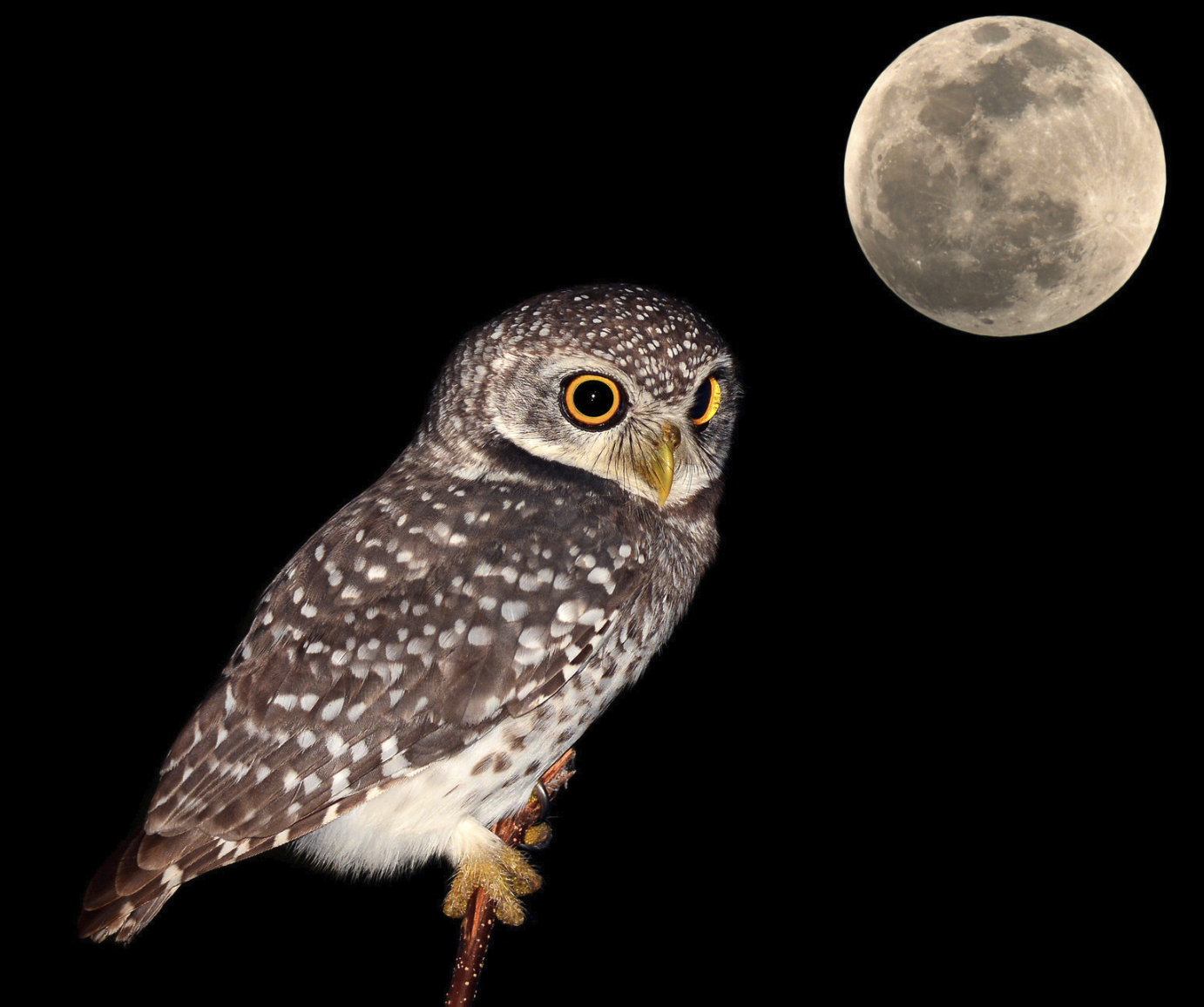
Congress once again debates whether to make Daylight Saving Time permanent, and the argument has us all thinking about our internal clocks, or our Chronotype. We know the old proverb—the early bird catches the worm. But there’s a quieter truth on the other side: while the world sleeps, the owl thrives.
The Daylight Saving debate usually frames around convenience. Would you rather have more light in the morning or more light after work? For the record, I’d vote to keep standard time—I like it lighter when I wake up. But light does far more than help us walk the dog or squeeze in a round of golf. It helps set the biological clock inside each of us. And that clock—not the one on the wall—is what I actually want to talk about.
A confession about my own clock
I go to sleep around 9 p.m. and wake up at 5 a.m. without an alarm. I make coffee and spend the next several hours doing my most demanding work: developing podcasts, reading studies, organizing arguments, wrestling with hard ideas. Then I exercise. By the time the afternoon rolls around, I’ve shifted to ranch work and animal care—things that ask less of my brain. By early afternoon, I run out of mental energy.
I am, in other words, an extreme morning lark.
I learned exactly how extreme during a miserable stretch of emergency-room shifts years ago. The day shifts were manageable. But the 8 p.m. to 8 a.m. shifts were brutal. I’d finish at eight in the morning, try to sleep, and return twelve hours later—poor sleep, low-grade anxiety about whether I was sharp enough to do the job well. I’m a motivated person, but I simply don’t do evenings or disrupted sleep well. My body had an opinion, and it was not subtle.
That experience is really the heart of this piece. What is your chronotype? Does it affect how you think, how you exercise, and your long-term health? And if your internal clock doesn’t fit the life you’re living, how much can—or should—you try to change it?
What a chronotype actually is
Your chronotype is simply whether you naturally tend to wake early or stay up late. It isn’t a personality quiz result; it’s biology, driven by a region of the brain in the hypothalamus and the timing of hormones like melatonin and cortisol. It’s also partly inherited—one large genetic study identified 351 regions of the genome associated with being a morning or evening person.
It’s a continuum, not two boxes. A few of us sit at the extremes—strong larks, strong owls—but most people land somewhere in the middle. Chronotype can vary over our lifetimes: teenagers drift later (which is why early school start times feel so cruel to them), and older adults tend to drift earlier.
You can get a reasonable read on your own type with the Morningness–Eveningness Questionnaire, or just by asking yourself a few honest questions: When do I naturally get sleepy? When would I wake without an alarm? When is my thinking clearest? When does exercise feel easiest? What schedule do I fall into after a few days of vacation?
Here’s where it gets interesting. Your biology sets your clock—and then society interferes. The morning person gets invited to the 8 p.m. dinner. The night person has to be at work or school by six. The gap between the schedule your body wants and the schedule your life demands has a name: social jetlag. You can estimate it by comparing when you sleep on workdays versus free days. Two hours of difference is like flying across two time zones every single weekend.
That reframing matters. The problem may not be that you’re an owl. The problem may be that you’re an owl forced to live like a lark.
Does your chronotype actually matter?
Most of the research here is observational, so I’d hold these findings loosely. But a few patterns are worth knowing.
On thinking, a 2025 systematic review of 65 studies found no overall cognitive advantage for larks or owls. What mattered was synchrony—people did better on attention and memory tasks at their preferred time of day.
On exercise, a review of ten studies found that morning types tend to post better times and report lower perceived effort early in the day, while strong evening types can perform particularly poorly first thing in the morning. That squares with my own experience completely.
On health, the signal is more concerning—and it seems to track with social jetlag rather than owl-ness itself. A 2026 UK Biobank analysis of roughly 300,000 people found owls carried more cardiovascular risk factors and a higher risk of cardiac events—but they also had worse diet, less activity, more smoking, higher blood pressure, and more excess weight.
A 2024 meta-analysis of 16 studies found that people with at least two hours of social jetlag had roughly 50% higher odds of metabolic syndrome than those with less than one.
And a Finnish study of 18,039 adults found more depression and anxiety among evening types—though insufficient sleep explained most, though not all, of that gap.
Read together, these point to the same conclusion: the owl isn’t broken. What hurts is the mismatch—getting little morning sun, eating late, and running on a chronic sleep deficit.
Can you change your clock—and should you?
A little, and not permanently. In one study, 31 people who did several weeks of morning bright-light treatment advanced their melatonin timing by an average of 47 minutes. A small randomized trial that combined light with earlier meals, exercise, and no late caffeine pushed the shift closer to two hours. The catch, seen in a light-therapy trial, is that when people stop, the effect fades. Think speed reading: the gains last only as long as the practice does.
So before you try to re-engineer your biology, I’d ask a simpler question first: can you change your schedule instead? I’ve built my life around my clock rather than the other way around—hard cognitive work early, exercise late morning, ranch chores after that, easy tasks and recovery in the afternoon, and no night shifts, ever. A night owl may have more room than they think to shift work or home routines later.
And honestly, if your sleep and functioning are fine, there’s nothing to fix. Neither type is better than the other. I’d only start tinkering if you have real social jetlag and you’re sleep-deprived, struggling to wake, watching your mood or relationships suffer, or leaning on caffeine, nicotine, or alcohol to paper over the gap.
If you do want to nudge yourself earlier: keep a consistent wake time, get outside into daylight soon after waking, move bedtime and meals earlier in 15-to-30-minute steps, limit late caffeine, dim the lights in the evening, and resist sleeping in for hours every weekend. To shift later, reverse it—more light in the evening, and sleep, meals, and activity nudged gradually back.
We’re built differently, and that’s fine. The goal isn’t to become a lark or an owl. It’s to stop living at war with the clock you already have.
So—which one are you?
Scientific research underscores the intricate interplay between lifestyle factors and human health. Exercise, a cornerstone of well-being, enhances cardiovascular health, boosts mood, and promotes cognitive function. Coupled with proper nutrition, it fosters optimal physical performance and supports immune function. Beyond the individual, social ties exert profound effects on health, buffering against stress and enhancing longevity. Meanwhile, exposure to hot and cold environments elicits physiological adaptations, bolstering resilience and metabolic efficiency. Adequate sleep, essential for cognitive consolidation and metabolic regulation, underscores the importance of restorative rest. Moreover, the mind-body harmony underscores the intricate relationship between mental and physical health, highlighting the profound impact of mindfulness and stress management on overall well-being. Integrating these factors into daily life cultivates a holistic approach to health promotion and disease prevention.