May 21, 2026
Diet Coke and Twinkies: What the Evidence Actually Says About Artificial Sweeteners


Listen on: Apple Podcasts | Spotify | Amazon Music | Podcast Index | Overcast | YouTube
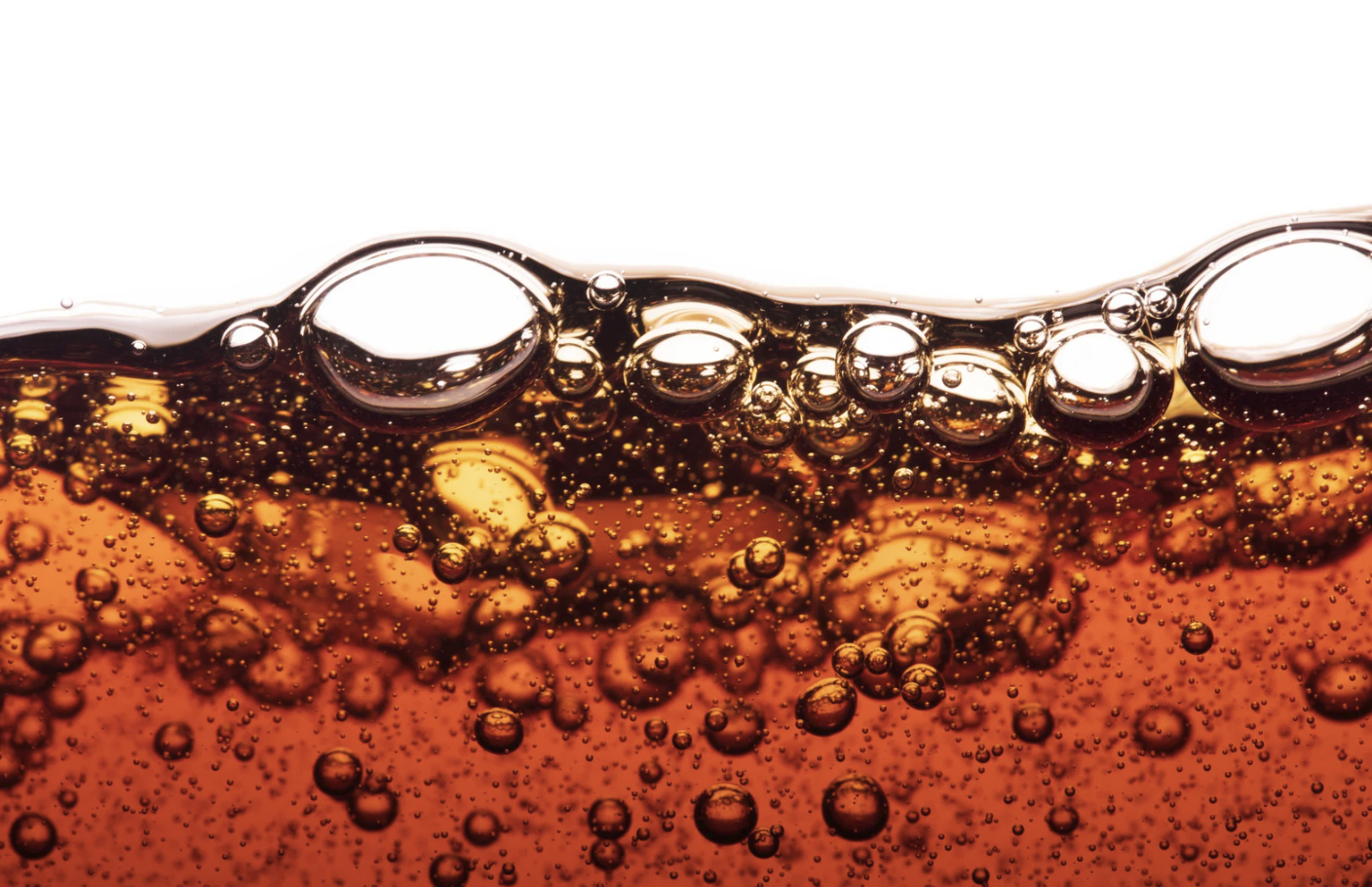
I enjoy diet sodas. My reasoning is simple: if I’m perfectly happy with the diet version, why spend the calories on the regular one? Save them for something more satisfying—peanut butter, a brownie, something worth it. That logic feels rational. But it also reminds me of my cardiology professor.
During my medical training, he would walk the halls with a Diet Coke in one hand and a Twinkie in his pocket. He was sharp, experienced, and a bit overweight. At the time I thought: “Is this really the nutritional strategy of a heart expert?” Now I’m not so sure the answer is obvious. That image—Diet Coke in one hand, Twinkie in the pocket—captures the entire artificial sweetener debate in miniature.
Two questions frame everything that follows: “Compared to what?” and “At what tradeoff?” Keep those in mind as we work through the evidence.
The Strongest Case: Substitution
About half of Americans consume non-sugar sweeteners on any given day. The most common are sucralose (Splenda), saccharin (Sweet ’n Low), aspartame (Equal), and stevia—which, unlike the others, is derived from a plant rather than synthesized. These sweeteners are intensely sweet, somewhere between 200 and 600 times sweeter than sugar, which is why they work in such small amounts.
The cleanest argument for them is straightforward: if someone regularly drinks calorie-dense beverages and switches to a non-caloric alternative they enjoy just as much, they may reduce their daily calorie intake enough to matter.
The CHOICE trial (Choose Healthy Options Consciously Everyday) tested exactly this. It randomized 318 overweight or obese adults into groups that replaced sugary beverages with either water or diet drinks. Over six months, both groups lost about 2% of their body weight. Modest, but real. The study doesn’t say diet soda is good for you. It says: if the alternative is a sugary drink, a diet drink may be a useful swap.
That’s the theme that runs through this entire topic. Artificial sweeteners look best when they’re replacing sugar. They look weaker when they’re replacing water. And they look most problematic when they become a permission slip for a Twinkie.
Five Myths—and What the Evidence Actually Shows
Myth 1: Artificial sweeteners cause cancer
This fear has a specific origin. In the late 1960s and 1970s, animal studies linked cyclamate and saccharin with bladder cancer in male rats. Cyclamates were banned in the United States in 1969. Saccharin landed on a carcinogen list. But the doses involved were enormous—one estimate put them at the equivalent of hundreds of diet sodas per day. The mechanism turned out not to apply to humans, and the National Cancer Institute removed saccharin from the carcinogen list in 2000.
The modern concern is more subtle. A large French observational study called the NutriNet-Santé cohort, which followed over 100,000 adults, found that heavier consumers of artificial sweeteners had a roughly 13% higher overall cancer risk. Aspartame and acesulfame-K were the main sweeteners flagged. But this was observational research—participants weren’t randomized to consume sweeteners or avoid them. People who drink more diet soda may differ from those who don’t in weight, diabetes risk, smoking habits, and many other ways that are hard to fully account for. Observational findings generate hypotheses. They don’t establish cause and effect.
My read: a couple of diet sodas a day is unlikely to be a meaningful driver of cancer risk compared with everything else in a person’s life.
Myth 2: Diet soda makes you gain weight
This one emerged from observational studies where diet soda drinkers tended to look metabolically worse. The likely explanation is reverse causation: people often switch to diet drinks because they’re already gaining weight or already worried about their blood sugar. The soda didn’t cause the problem; it just marked someone already at risk.
Randomized trials support that interpretation. In the SWITCH trial, 500 overweight or obese adults were assigned to drink either water or artificially sweetened beverages while receiving general weight-loss guidance. At one year, the water group had lost about 13 pounds and the diet beverage group had lost about 16.5 pounds. Diet soda isn’t a weight-loss drug—but it clearly doesn’t appear to cause weight gain.
Myth 3: Diet soda disrupts glucose metabolism
The idea here is biologically plausible: sweet taste isn’t just a flavor signal—it’s connected to a system involving the gut, brain, and hormones. Maybe tricking that system has consequences.
The SODAS trial (Study of Drinks with Artificial Sweeteners—researchers seem to enjoy clever acronyms) randomized 181 adults with type 2 diabetes. One group continued drinking 24 ounces per day of artificially sweetened beverages; the other replaced that amount with plain water for 24 weeks. There was no meaningful difference in glycemic outcomes between the groups. If diet beverages were secretly worsening blood sugar control, replacing them with water should have helped. It didn’t. Myth not supported.
Myth 4: Diet soda tricks your brain and drives you to eat more
The theory: sweet foods usually come with calories, so the brain learns to expect them together. Break that pairing with a zero-calorie sweetener, and the brain may go searching for the real thing—hence the Twinkie.
Some animal studies support this mechanism, and anecdotally some people do experience it: the diet soda doesn’t satisfy the craving and they reach for something sweet. But if this compensation effect were common, the substitution trials would have failed—people would have simply eaten back the saved calories. That’s not what the CHOICE or SWITCH trials showed.
The more accurate picture is that it depends on the person and the purpose. For someone who wants fizz and caffeine with lunch, a diet soda is a fine substitute for a regular one. For someone using it as a stand-in for dessert, it may not scratch the itch—and the Twinkie may follow. The question worth asking isn’t “Does Diet Coke cause people to eat Twinkies?” It’s “Does it help justify them?” That’s something each person can observe in themselves.
Myth 5: Artificial sweeteners wreck the gut microbiome
A 2014 study with the dramatic title “Artificial sweeteners induce glucose intolerance by altering the gut microbiota” generated considerable buzz. The key findings, though, were primarily from mice. The human portion involved seven healthy volunteers given high-dose saccharin for a week, and four of the seven showed microbiome changes and worsened glycemic responses. Interesting as a hypothesis. Not evidence of a public health problem.
The SWEET trial (Sweeteners and Sweetness Enhancers: Impact on Health, Obesity, Safety and Sustainability) tested this more rigorously in 341 overweight or obese adults. Half used non-sugar sweeteners; half did not. Both groups lost weight. The sweetener group did show microbiome changes—but the changes were characterized as beneficial, not harmful. That’s a very different result from the mouse study.
For context: fiber changes the microbiome. Exercise changes the microbiome. The fact that non-sugar sweeteners have some microbiome effect doesn’t tell us the effect is bad.
Don’t Forget the Twinkie
Food and drink aren’t just fuel. They provide pleasure, ritual, and social connection. A cold diet soda with lunch may give someone real enjoyment that plain water simply doesn’t. That doesn’t make it a health food, but it also shouldn’t be dismissed. A joyless diet that gets abandoned is not better than a pretty-good diet that actually sticks.
The more important question, though, is what’s sitting next to the diet soda. The Twinkie in my professor’s pocket matters—not because one Twinkie is catastrophic, but because ultra-processed food patterns make overeating easier. A controlled study found that people randomly assigned to an ultra-processed food diet ate roughly 500 more calories per day than those without it and gained weight accordingly. One Twinkie probably won’t cause that. A habit of Twinkies justified by the Diet Coke might.
The risk is in staring so hard at the Diet Coke that you miss what’s in the pocket.
The Verdict
Was my professor wise or misguided? Probably a bit of both. Wise if the Diet Coke replaced a regular Coke. Misguided if it gave him license for a daily Twinkie habit.
The same logic applies to the rest of us. Artificial sweeteners are not poison. The cancer signals come from animal studies using massive doses and from observational data too messy to draw clean conclusions from. The weight-gain narrative dissolves when you run proper randomized trials. The glucose and microbiome concerns are theoretically interesting but not well-supported by the best available evidence.
In nutrition, the right question is almost never “Is this one thing good or bad?” It’s: compared to what, at what dose, for whom, and at what tradeoff?
Compared to a sugary soda: diet drinks appear to be a reasonable swap for many people. Compared to water: probably a step down, but that doesn’t make them harmful. Compared to a permission slip for a daily Twinkie: that’s where the bargain might go wrong.
I’ll keep enjoying diet sodas. But I’ll also keep checking my pockets for Twinkies.
Scientific research underscores the intricate interplay between lifestyle factors and human health. Exercise, a cornerstone of well-being, enhances cardiovascular health, boosts mood, and promotes cognitive function. Coupled with proper nutrition, it fosters optimal physical performance and supports immune function. Beyond the individual, social ties exert profound effects on health, buffering against stress and enhancing longevity. Meanwhile, exposure to hot and cold environments elicits physiological adaptations, bolstering resilience and metabolic efficiency. Adequate sleep, essential for cognitive consolidation and metabolic regulation, underscores the importance of restorative rest. Moreover, the mind-body harmony underscores the intricate relationship between mental and physical health, highlighting the profound impact of mindfulness and stress management on overall well-being. Integrating these factors into daily life cultivates a holistic approach to health promotion and disease prevention.