September 9, 2025
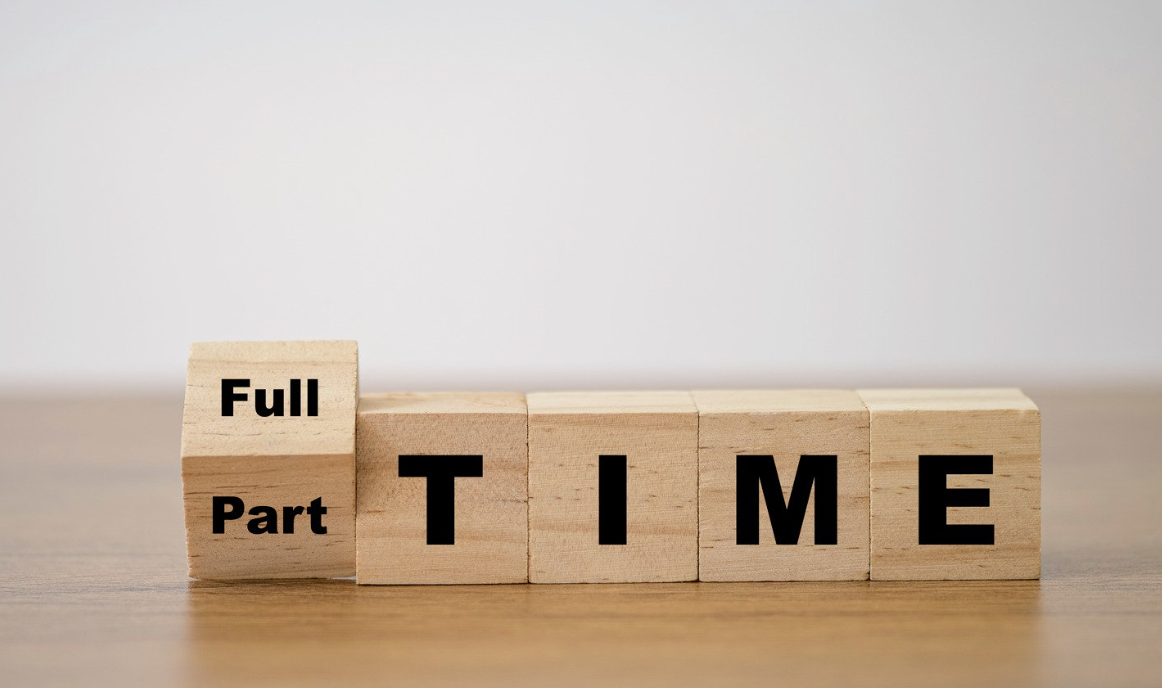
Is Wellness Becoming a Full-Time Job? Here’s How to Prioritize What Actually Matters


Listen on: Apple Podcasts | Spotify | Amazon Music | Podcast Index | Overcast | YouTube
Do you ever feel like wellness requires a spreadsheet, a stopwatch, and a second career? Between supplements, sleep tracking, cold plunges, organic meals, screenings, and meditation apps—not to mention avoiding sugar, alcohol, and ultra-processed everything—it’s enough to make anyone want to throw in the towel. I get it. In this article, I wanted to step back and ask: How much health is enough?
Because if wellness becomes a burden, we’re missing the point.
Let’s cut through the noise and get back to what’s most important—based on both evidence and what truly matters to you.
When Wellness Becomes Overwhelming
I’ve spent a year of articles and podcast episodes walking through what you can do to live longer and better—exercise, sleep, nutrition, mindfulness, social connection, sauna, cold exposure, and more. But almost no one has the time, resources, or willingness to do everything. And trying to can create stress, guilt, and burnout.
Take a moment to look at how your day is already structured. According to the Bureau of Labor Statistics, the average American spends:
- 8 hours working
- 9 hours sleeping or preparing for bed
- 2 hours on meals and household responsibilities
- 4 hours on leisure
That’s your whole day. So carving out 2–4 hours daily for all the wellness practices we “should” do? It’s just not feasible for most people. That’s where the 80/20 rule—or Pareto principle—comes in. What if you could get 80% of the benefit from just 20% of the effort?
The Evidence-Based Core: What Really Moves the Needle
Start by building a short list of what truly matters—things backed by strong evidence and high impact. This is your “Tier One” list. These aren’t fringe interventions; they’re the non-negotiables for reducing your risk of heart disease, stroke, cognitive decline, and cancer.
Here’s what the evidence from good clinical studies tells us:
- Control your blood pressure. High blood pressure is a leading driver of heart disease and stroke risk, especially for those over 50. Keeping it below 120/80 can have a profound impact on your health. Learn more.
- Lower your LDL cholesterol. Aim for “as low as reasonable.” Talk to your doctor about statins if you’re at risk.
- Maintain a healthy weight. Obesity increases risk across nearly all major diseases.
- Sleep 7–8 hours nightly. Consistent, high-quality sleep reduces risk of dementia, heart disease, and metabolic disorders.
- Exercise regularly. Even 150 minutes of moderate activity a week—plus some strength work—can add years to your life.
- Stay up to date on screenings. A colonoscopy can cut your risk of colorectal cancer by 68%. Mammograms and potentially PSA tests are equally essential for early detection.
If you do these six things, you’re covering the core of what truly impacts your Lifespan and Healthspan.
Personalizing the Plan: What Matters to You?
After that, it becomes a deeply personal decision. Ask yourself: What’s my goal? Is it to live longer (Lifespan), to stay active and independent (Healthspan), or to enjoy life more fully (Joyspan)?
I was inspired by gerontologist Dr. Kerry Burnight’s framework on “Joyspan”—a lens that asks not just how long you live, but how much meaning, connection, and fulfillment you experience. Her approach emphasizes growth, adaptability, connection, and contribution.
What brings you joy might shift your health priorities.
For instance:
- If you love travel, prioritize strength and stamina to enable you to put your luggage in the overhead bin and do that amazing hike.
- If anxiety wears you down, mindfulness or breathwork might matter more.
- If digestion is your Achilles heel, then gut health and nutrition deserve more attention.
This is where your Health Type comes in. I developed a free five-minute quiz to help you understand your approach to wellness. Whether you’re a Single-Minded Achiever, a Holistic Health Hacker, or a Contentment Creator, knowing your type helps refine your plan. Take the quiz here.
The Big 6: My Personal Focus
Despite researching and talking about a wide range of wellness tools, I only actively focus on a few. Here’s my personal 80/20:
- Cardiovascular and brain risk control – Blood pressure, cholesterol, and weight are non-negotiables.
- Sleep – Bed by 9–9:30 to optimize quality and consistency, aiming for 8 hours each night.
- Exercise and strength – I train regularly and compete in triathlons, but even just walking or lifting a few times per week makes a huge difference.
- Alcohol moderation – I limit myself to 2–4 drinks per week, given the growing evidence on alcohol’s link to cognitive decline.
- Routine screenings and vaccinations – I stay current on colonoscopy, PSA, flu, pneumonia, and shingles vaccines.
Do I also do cold plunges, meditation, or sauna? Sometimes—but they aren’t essential to my core plan.
And there are things I don’t worry about: fermented foods, seed oils, fiber counts, or obsessively tracking fruit and veggie servings. I try to eat well, but I don’t let food rules run my life.
Build a Plan That Works for You
Start with the essentials. Then build a plan that fits your values, preferences, and reality. Take stock each quarter—adjust as needed. Stack habits where you can (a walk with a friend is social + movement). And most importantly, give yourself the grace to say “no” to things that don’t bring you enough benefit for the effort they require.
Final Thought
Health shouldn’t feel like a full-time job. And it doesn’t have to. The goal isn’t to win a gold medal in wellness—it’s to live a long, meaningful, functional life. Let’s focus on what counts. Let’s make space for what brings joy. Let’s live long and well.
Scientific research underscores the intricate interplay between lifestyle factors and human health. Exercise, a cornerstone of well-being, enhances cardiovascular health, boosts mood, and promotes cognitive function. Coupled with proper nutrition, it fosters optimal physical performance and supports immune function. Beyond the individual, social ties exert profound effects on health, buffering against stress and enhancing longevity. Meanwhile, exposure to hot and cold environments elicits physiological adaptations, bolstering resilience and metabolic efficiency. Adequate sleep, essential for cognitive consolidation and metabolic regulation, underscores the importance of restorative rest. Moreover, the mind-body harmony underscores the intricate relationship between mental and physical health, highlighting the profound impact of mindfulness and stress management on overall well-being. Integrating these factors into daily life cultivates a holistic approach to health promotion and disease prevention.