Listen on: Apple Podcasts | Spotify | Amazon Music | Podcast Index | Overcast | YouTube
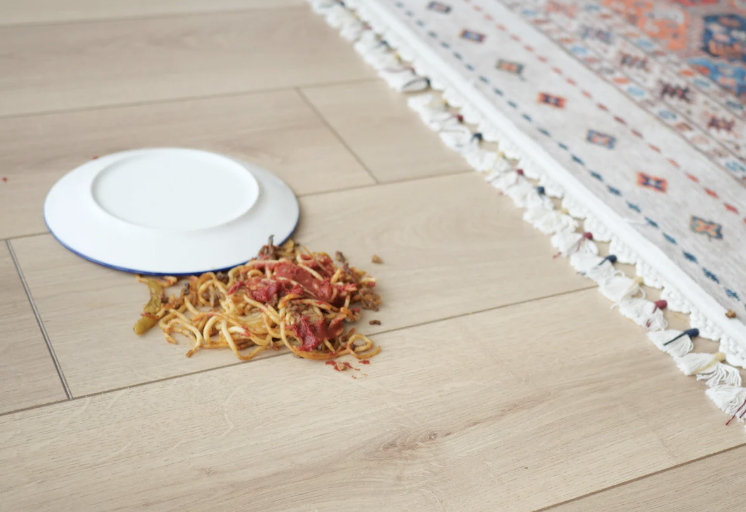
We’ve all been there. A French fry tumbles from your plate and lands on the kitchen floor. You glance around, grab it within seconds, and tell yourself it’s fine—the five-second rule means bacteria haven’t had time to transfer, right? Not so fast. Let’s dig into what the evidence actually tells us about this widespread food safety myth.
The Reality of Food Safety
Food safety is no trivial matter. According to the Centers for Disease Control and Prevention, approximately 48 million Americans get sick from foodborne illnesses every year. That’s about one in six people. Of these cases, 128,000 result in hospitalization, and tragically, about 3,000 people die annually. The usual suspects include Salmonella, E. coli, Campylobacter, Listeria, and norovirus—pathogens that can cause everything from uncomfortable gastrointestinal distress to severe systemic infections, especially in vulnerable populations like the elderly, young children, pregnant women, and those who are immunocompromised.
What the Research Actually Shows
The classic investigation everyone cites comes from Rutgers University, where food scientist Donald Schaffner and graduate student Robyn Miranda conducted a comprehensive study on bacterial transfer. They dropped four different foods—watermelon, bread, bread with butter, and gummy candy—onto four surfaces: stainless steel, ceramic tile, wood, and carpet. They tested various contact times: less than one second, five seconds, 30 seconds, and 300 seconds.
The results were clear and unequivocal: bacteria transfer to food almost instantaneously. While leaving food on contaminated surfaces longer does increase bacterial transfer, plenty of bacteria jump onto your food within the first second of contact. As Schaffner noted, “The five-second rule is a significant oversimplification of what actually happens when bacteria transfer from a surface to food. Bacteria can contaminate instantaneously.”
The study revealed some interesting nuances. Moisture matters most—watermelon picked up the most bacteria because of its high water content, while gummy candy collected the least. Surprisingly, carpet was actually safer than hard surfaces like steel or tile, likely because its texture reduces direct contact between food and surface. But make no mistake: no food that touched the floor came away bacteria-free.
Verdict: The five-second rule is FALSE. Bacteria don’t wait around to transfer to your food.
But Here’s the Twist: Are Floor Bacteria Always Bad?
This is where the story gets more interesting. Just because bacteria transfer to your food doesn’t automatically mean you’re headed for disaster. Emerging research suggests that exposure to diverse, non-pathogenic bacteria during childhood might actually be beneficial for immune system development.
Consider the “farm effect.” Multiple studies have shown that children growing up on traditional farms have a 20-40% lower risk of developing asthma, eczema, and other allergic conditions compared to city-dwelling children. The leading explanation? Farm kids are exposed to a much more diverse array of environmental microbes—from barn dust to animal contact—that appears to “educate” their developing immune systems.
One particularly fascinating study from Finland took this concept a step further. Researchers at the University of Helsinki found ten urban daycare centers and modified half of them by replacing traditional play areas with forest soil, grass, and native plants. After just 28 days of playing in these “mini forests,” the children showed remarkable changes. Their skin and gut microbiomes became more diverse, resembling those of children who spent time in nature daily. More importantly, blood tests revealed enhanced immune markers, including increased regulatory T-cells and improved ratios of anti-inflammatory to pro-inflammatory proteins.
These findings support the “biodiversity hypothesis”—the idea that exposure to a rich variety of environmental microbes, particularly in early life, helps calibrate immune responses and may protect against inflammatory and allergic diseases. The research suggests that not all bacteria are bad actors. In fact, exposure to benign environmental microbes might be exactly what developing immune systems need.
So What Should You Actually Do?
The science presents us with an interesting paradox: the five-second rule is definitively false from a microbial transfer standpoint, yet some microbial exposure—particularly in childhood—might offer health benefits. How do we reconcile this?
Here’s a sensible, evidence-based approach:
Never eat food that has fallen:
- In hospitals (where dangerous pathogens lurk)
- In high-traffic public areas like convenience stores
- If you’re immunocompromised, pregnant, elderly, or very young
Exercise reasonable judgment at home:
- For healthy adults in their own clean homes, the risk from typical household bacteria is generally low
- Home floors aren’t the sterile environments of hospitals, but they’re also not teeming with deadly pathogens
- Most bacteria on your kitchen floor won’t cause serious illness in people with healthy immune systems
The key distinction is between pathogenic bacteria (disease-causing organisms) and the diverse but generally harmless microbes that exist in most residential environments. Your kitchen counter can harbor contaminants from raw chicken or tainted vegetables, but the bacteria from your moderately clean home floor are typically less concerning—especially if you don’t have a specific vulnerability.
The Bottom Line
Science has definitively debunked the five-second rule: bacteria transfer happens almost instantly, not after some magical time window. However, the broader conversation about microbial exposure reveals something unexpected. While we should absolutely practice good food safety—especially around vulnerable populations and in environments with dangerous pathogens—not every encounter with bacteria spells doom.
For children, particularly, exposure to diverse environmental microbes appears to offer meaningful immune benefits. For healthy adults in reasonably clean home environments, a dropped piece of food is unlikely to cause serious harm, even if it does pick up bacteria immediately.
The real lesson isn’t about seconds—it’s about context. Practice good hygiene, keep your kitchen clean, and be extra cautious with high-risk populations and settings. But also recognize that our obsession with sterilizing everything might be missing the bigger picture: our immune systems evolved alongside a microbial world, and some exposure to that world may be exactly what we need.
So the next time that French fry hits the floor? Make your decision based on where you are, who you are, and what science actually tells us—not on a catchy but thoroughly debunked five-second myth.
Scientific research underscores the intricate interplay between lifestyle factors and human health. Exercise, a cornerstone of well-being, enhances cardiovascular health, boosts mood, and promotes cognitive function. Coupled with proper nutrition, it fosters optimal physical performance and supports immune function. Beyond the individual, social ties exert profound effects on health, buffering against stress and enhancing longevity. Meanwhile, exposure to hot and cold environments elicits physiological adaptations, bolstering resilience and metabolic efficiency. Adequate sleep, essential for cognitive consolidation and metabolic regulation, underscores the importance of restorative rest. Moreover, the mind-body harmony underscores the intricate relationship between mental and physical health, highlighting the profound impact of mindfulness and stress management on overall well-being. Integrating these factors into daily life cultivates a holistic approach to health promotion and disease prevention.